Day: April 20, 2021

You are here:

Lessons Learned from Server Room Network Cabling

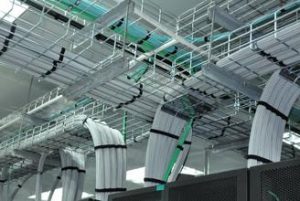
1. Where possible, use the same contractor for server room fit-out and cabling. Using separate contractors can make it difficult to coordinate cleaning, design, and construction. An integrated service helps streamline cabling work. 2. Select a contractor with proven experience in server room fit-outs. Visit their project sites to assess their technical capabilities and delivery capacity, as many companies claim to have fitted out Internet Data Center (IDC) facilities. 3. Before starting the fit-out, invite consultants to inspect the site

Learn More »

How to Evaluate the Quality of a Video Surveillance System

1. Scalability.A distributed architecture and modular design should be adopted to support system expansion, additional functionality, and supporting software upgrades. Users should be able to expand or scale down the system as needed, ensuring sufficient flexibility. 2. Ease of System Upgrades and Maintenance.Given the scale of the system, system software and core equipment should support automated upgrades and maintenance. In addition, a citywide networked surveillance and alarm system comprises multiple complex subsystems, including networks, storage, operating systems, platform software, and

Learn More »

Structured Cabling System Design Considerations

2. Determine the Locations of Low-Voltage Risers and Distribution Rooms In most cases, the design institute, consulting firm, or client will have already specified the physical locations of the low-voltage risers and distribution rooms. In this case, check whether each distribution room meets the requirements of applicable cabling design standards, such as GB50311, Code for Engineering Design of Generic Cabling Systems. If the client has not yet specified the distribution room locations, determine suitable locations based on actual site conditions

Learn More »

What Are the Main Components of a Residential Structured Cabling System?

A home distribution center (distribution box) is typically installed in each residence. Its location can be adjusted according to the overall plan of the residential community and the entry and exit routes of external cables. Users can select distribution boxes of different specifications and equip them with different functional modules based on the type of home and the household’s needs. A building structured cabling system generally comprises six subsystems, while a residential cabling system typically consists of the following three

Learn More »